


Dental and gum diseases affect the vast majority of the world’s population and are closely linked to lifestyle factors such as hygiene and diet; bad habits (smoking, alcohol, lack of physical activity); and the presence of bacteria in dental plaque.
Teeth are not only used for chewing, they play an essential role in speech articulation and in social life.
The inability to smile, due to a poorly cared for mouth, can represent a significant limitation in social relationships.
A beautiful smile is always an excellent business card and immediately predisposes to friendliness and communication.
Oral health is not merely the absence of disease, but a condition that strongly influences a person’s overall health and well-being.
For example, there are correlations between dental malocclusion and alterations in body posture, as well as between periodontal disease (pyorrhea) and cardiovascular diseases and diabetes.
Dental prevention in adults
Lack of prevention leads to an increased prevalence of tooth decay, gingivitis, and periodontal disease (pyorrhea), with possible tooth loss and functional and aesthetic problems.
Preventing tooth and gum disease depends on consistent oral hygiene practices and a healthy lifestyle.
Furthermore, regular specialist visits allow for the immediate detection of any illnesses.
When to brush your teeth
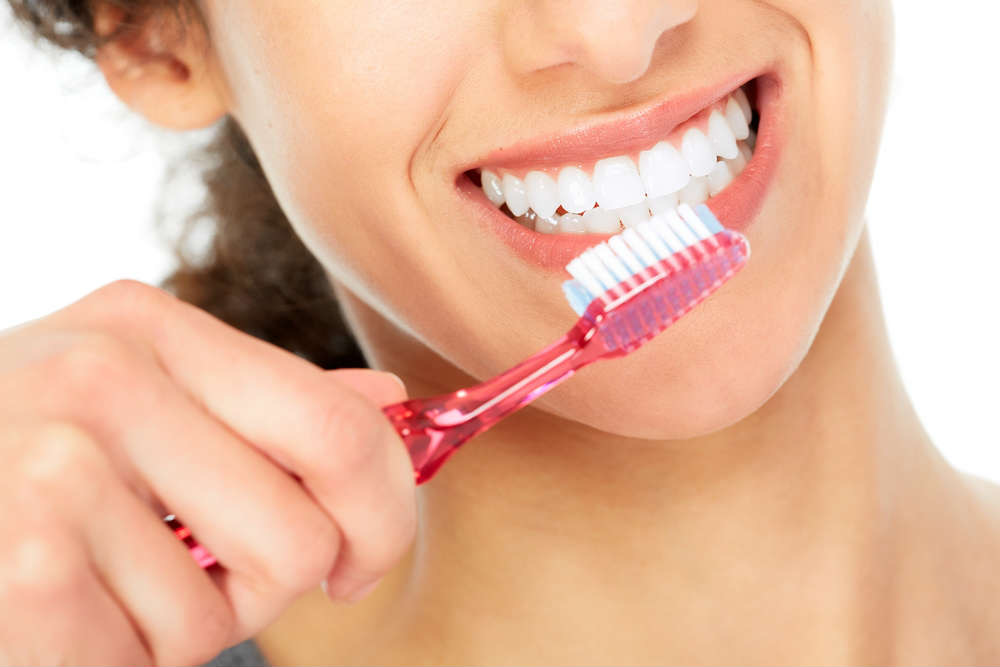
Good oral hygiene includes, first of all, proper tooth brushing, which should be done at least 2/3 times a day (after main meals), and the daily use of dental floss or an interdental brush.
These maneuvers aim to mechanically eliminate bacterial plaque.
Professional oral hygiene sessions are very important for the removal of tartar and bacterial plaque, which can insinuate themselves deep into the gum line.
The dental hygienist will recommend the most suitable type of toothbrush and dental floss or interdental brush for each individual patient, as well as suggesting the use of mouthwashes with different chemical formulations depending on the need (motivation).
Gingivitis: Inflammation of the gums
It manifests itself through some symptoms such as swelling, pain and bleeding.
Gums become diseased mainly due to the accumulation of bacteria.
Plaque forms around the teeth even when we don’t eat, and if it isn’t carefully removed with a toothbrush and floss, it causes inflammation of the gums.
If left untreated and untreated, gingivitis can progress to periodontitis (pyorrhea) and cause tooth loss.
Treatment for gingivitis
There are several gum treatments that your dentist or hygienist can implement to improve your oral health.
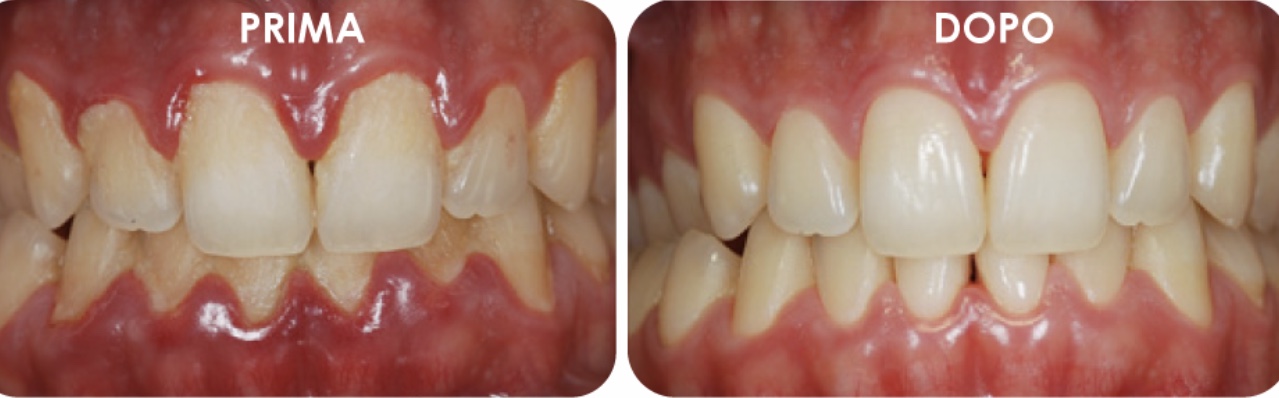
The most important is the so-called “etiological therapy” (professional oral hygiene session), which is performed with manual and ultrasonic instruments, or even with the aid of air abrasion with glycine or erythritol powder.
These instruments are able to act and remove plaque and tartar under the gums, eliminating bacteria and restoring the health of the gums.
Professional oral hygiene sessions
They are performed by the dentist or dental hygienist.
During the professional dental hygiene session, plaque and tartar deposits above and below the gums are removed.
The need for professional oral hygiene checkups varies from person to person. The length of time between visits varies depending on the severity of the clinical condition, the patient’s susceptibility, and their commitment to maintaining good oral hygiene at home.
The frequency should therefore be personalized following the advice of the dentist and dental hygienist.
For patients more predisposed to periodontal disease, the six-monthly recall is often insufficient.
In these cases, a more stringent reminder is therefore recommended, for example every four or three months.
Is an electric or manual toothbrush better?
The toothbrush is the fundamental tool for removing plaque deposits.
The manual toothbrush is the most commonly used, but new-generation electric toothbrushes have shown better results in faster plaque removal. Several scientific studies have shown that electric toothbrushes reduce bacterial plaque by 17% more than a manual toothbrush.
This means that the electric toothbrush is preferable especially for people with limited manual skills, such as children, the elderly, and those predisposed to gum and periodontal disease.
In any case, the professional will suggest the most suitable toothbrush for your clinical condition.
However, with both types of toothbrushes, the duration of brushing is fundamental.
To remove plaque properly, you need to brush your teeth for at least 2-3 minutes 2-3 times a day.
Electric toothbrush: how to use it
It should never be used as a normal toothbrush.
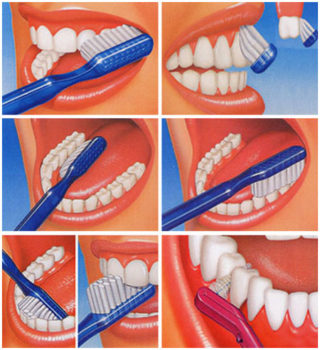
- Place the bristles of the head at a 45° angle to the gum on one tooth at a time, moving around it and cleaning the various surfaces (in front, inside, between teeth)
- During the operation, do not apply pressure (some electric ones have a pressure sensor) on the surface of the tooth and let the bristles rotate and oscillate for a couple of seconds without moving or rubbing them (just rest them)
- Move the bristles to the next tooth and so on, doing the same on the inside, upper and lower surfaces
- Dedicate at least 2 minutes to brushing your teeth (electric ones usually have a timer)
Dental floss
Proper oral hygiene requires more than just brushing. To completely remove plaque between teeth, more specialized tools such as dental floss or interdental brushes are needed.
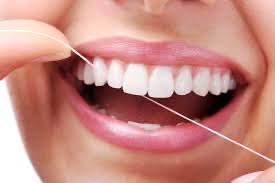
Dental floss, thanks to its thin weave of nylon fibers, is able to enter crevices where the toothbrush cannot reach, generally recommended for people with very narrow interdental spaces, crowded and poorly positioned teeth.
It is recommended to use it at least once a day, preferably in the evening. For correct use, it is not enough to insert it between the teeth and move it back and forth. It is necessary to embrace the tooth and slide the floss from the gum upwards and vice versa, using firm movements without causing damage to the gum.
Recent studies indicate how difficult it can sometimes be to use dental floss correctly: in this case, the dental hygienist will evaluate, depending on the area and the patient’s dexterity, when to prefer using floss or an interdental brush.
Effectively removing plaque between teeth helps prevent gingivitis, periodontitis, and tooth decay.
The pipe cleaner
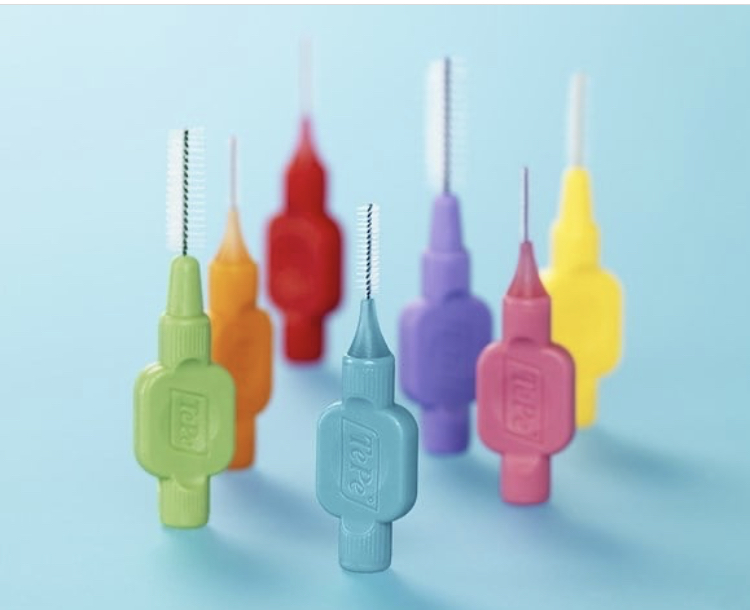
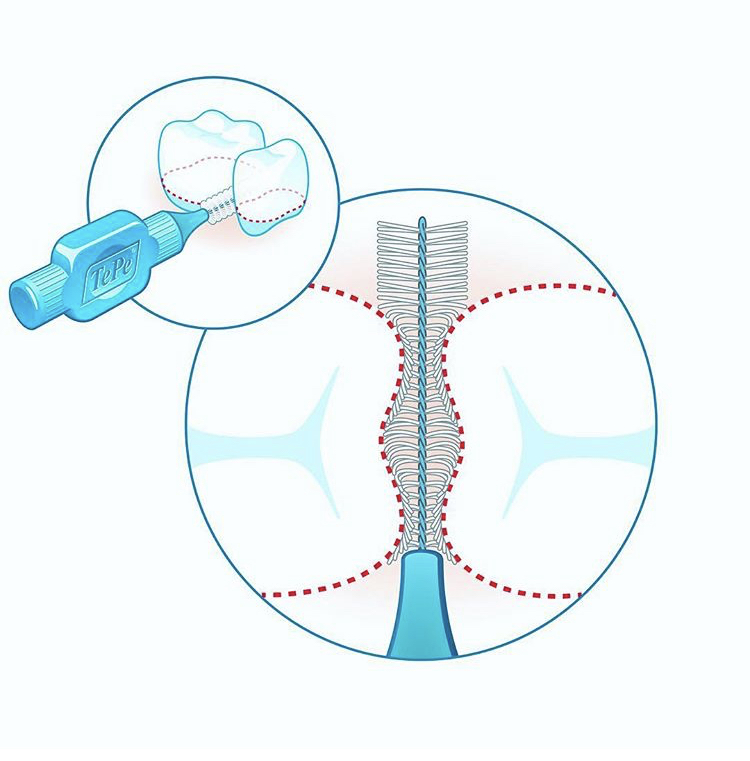
The interdental brush is a tool specifically designed for removing bacterial plaque from large interdental spaces.
The choice of its size must be appropriate to this space.
The interdental brush must pass by applying a certain amount of friction on the tooth surfaces, to ensure adequate cleaning: it must be delicately inserted into the affected space from both the external part (vestibular area) and the internal part (lingual area) and must be moved back and forth so as to ensure that the space is three-dimensionally clean.
It is essential in patients with periodontal disease and must be replaced regularly.
Mouthwashes
Mouthwash is used more and more frequently and supports mechanical removal, it can have different functions depending on its formulation
It is important to know how to recognize the action performed by the mouthwash, because not all are the same.
There are different types:
- With minerals such as fluoride: effective in preventing tooth decay
- With essential oils: together with mechanical cleaning (brushing and floss/interdental brush), they can also be used every day to limit the onset of inflammation
- With antibacterial molecules (chlorhexidine), useful for gum disease or during specific phases of periodontal treatment and surgery. Use should be limited to short-term use and as directed by your hygienist and dentist, as they can cause side effects (they can cause tooth discoloration and a weakened sense of taste).
Mouthwash, on the other hand, is very useful as a support for the daily removal of food debris when oral hygiene isn’t possible. Rinsing helps keep your mouth fresh and clean and helps relieve the symptoms of bad breath.
It is preferable to use mouthwashes based on essential oils, free of alcohol and chlorhexidine, if there is no significant inflammation.
We’re available for any questions and look forward to meeting you.


