


Discover all the systems for realigning your teeth without having to wear metal braces:
Today you can have a device that can move and straighten crooked teeth, but it’s completely invisible!!
Invisible orthodontics is a set of devices and techniques that reduce the visual impact of orthodontic appliances, to meet the growing aesthetic needs of patients.
The goal is to reduce or completely eliminate the metallic effect on the smile. Total “invisibility” is not always possible, but every day we are getting closer to treatments with increasingly reduced aesthetic impact.
Invisible braces are of three types:
- Clear Aligners (INVISALIGN)
- Lingual Orthodontics
- Aesthetic Brackets
Clear Aligners (INVISALIGN)
The Invisalign system is the most widespread and reliable manufacturer of clear aligners currently on the market.
Using digital techniques, starting from an impression or scan of the patient’s arches, a comprehensive and personalized orthodontic treatment plan is developed. A series of custom-made aligners is then produced, gradually moving the teeth to the desired final position. Each aligner is worn for an average of 15 days each, before being replaced by the next.
The patient must wear each aligner all day, removing it only to eat, drink colored liquids (coffee, soft drinks, wine), and perform normal home oral hygiene procedures, which are favored over other orthodontic techniques, which require more complex hygiene procedures.
Invisalign aligners are nearly invisible at normal social distances and interfere minimally with your lifestyle and daily activities. Being removable, they allow for maximum comfort when eating, drinking, and brushing your teeth.
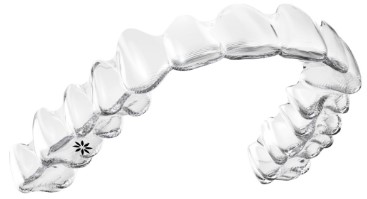
Unlike traditional techniques, the use of metal devices is minimized, but in some cases auxiliary devices such as elastic bands or “attachments” are necessary, which are small composite buttons (the same color as the tooth) that help guide more complicated movements.
Treatment with aligners lasts slightly longer, on average, than treatment performed with traditional techniques. In complex cases, an initial treatment phase with fixed appliances can reduce treatment times.
The duration of treatment, as well as its cost, varies based on the complexity of the case and the required dental movements, which may be more or less rapid depending on the case. Generally, the cost of treatment with aligners is comparable to that with traditional appliances, but only an initial consultation can provide a specific assessment.
Lingual orthodontics
Lingual orthodontics is a completely invisible treatment system, similar in general to classic “fixed braces”, in which the appliance (plates and wires) is applied to the internal (lingual) surface of the teeth, thus being hidden from external view.
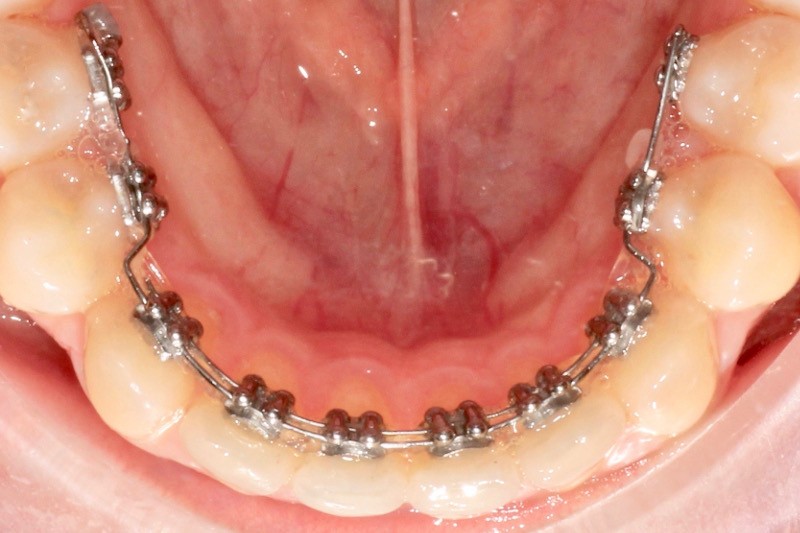
Lingual orthodontics is compatible with most cases, except the most complex ones, but it is particularly indicated for patients with crowding (rotated or overlapping teeth), particularly in the lower arch, and for the management of relapses of previous orthodontic treatment.

Like all fixed orthodontic devices, it requires particular attention during daily oral hygiene procedures, which must be as precise and frequent as possible.
In simple cases with short treatment times, it is possible to perform the treatment without plates, simply by applying the orthodontic wire to the inside surface of the teeth, further reducing the time needed to adapt to the appliance, which is almost imperceptible.
Aesthetic brackets
Aesthetic brackets are an evolution of the classic metal plates, made of “camouflage” materials (ceramic, resin, plastic), which once applied to the teeth are less visible because they are the same color as the tooth enamel.
Since they are applied to the external surface of the tooth, they are not completely invisible, but they reduce the visual impact of the appliance at first glance, making them particularly suitable for complex cases that require the use of a “traditional device”, in which the patient still wishes to minimize the “visibility” of the appliance.
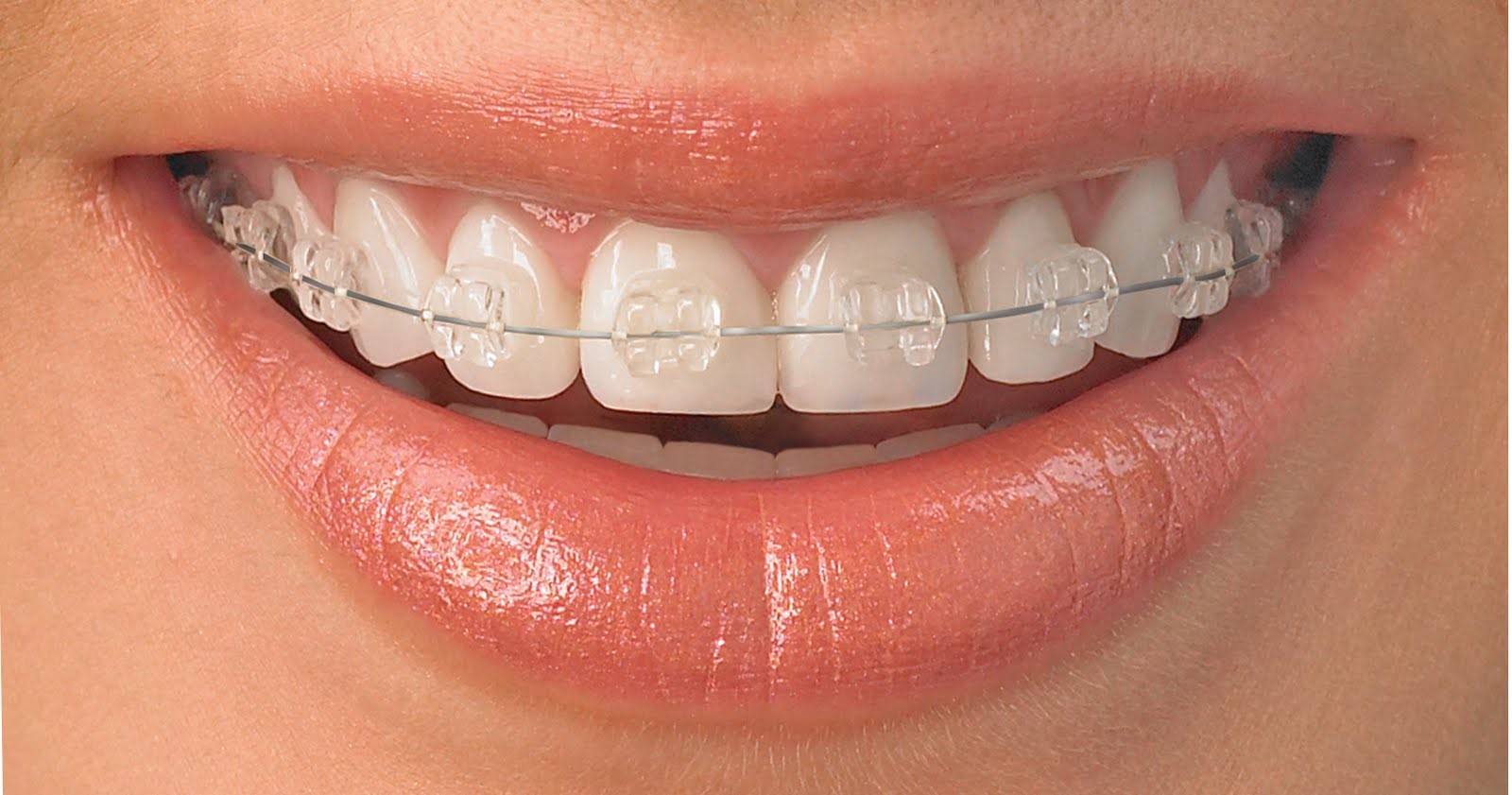
Like all fixed orthodontic devices, they require particular attention during daily oral hygiene procedures, which must be as precise and frequent as possible, also to preserve their characteristics of transparency and translucency.
If you have any questions or concerns, please fill out the contact form; we’ll be happy to answer them.


